This post is all about transitioning from nap to quiet time.
Mom’s Guide to Transitioning From Nap To Quiet Time
If your toddler or young child is suddenly fighting naps, taking forever to fall asleep, or popping out of bed the second you say “nap time,” you are not alone. Most kids drop their daytime nap somewhere between ages 2 and 5, but transitioning from nap time to quiet time can feel a little like a nightmare, especially for moms who still desperately need that midday break.
But here’s the thing, even if your child is done napping, you can absolutely keep a predictable rest period in your day by shifting to quiet time. Quiet time gives kids the chance to unwind, reset, explore independent play, and practice being calm, while giving you a much needed break so you can recharge as well. (Or at least get some work done without being interrupted!)
As a means for providing for my family, I may earn commissions if you shop through the links on this page at no additional cost to you. Thank you!
In this post, we’ll walk through the signs your child is ready to drop their nap, why quiet time matters, and how to start introducing this new routine in a gentle, kid-friendly way. This transition doesn’t have to be stressful! Rather, it can actually become a peaceful part of your day.
Signs Your Child Is Ready to Drop Their Nap
Before you jump into quiet time, it helps to know whether your child is truly ready to let go of that afternoon nap. While every kid is different, here are some common clues:
- They resist nap time consistently: If nap battles used to be rare but are now a daily ritual, it may be a sign their sleep needs are changing.
- They lie in bed awake for a long time: If your child is content but simply not falling asleep, this usually means their body doesn’t need the same amount of daytime sleep as before.
- They still sleep well at night after skipping a nap: A child who can go through the whole day without melting down and still sleeps the same at night is likely ready to transition from nap time to quiet time.
- Naps are interfering with bedtime: If your child naps but then stays awake until 9 or 10 p.m., they may be getting too much daytime sleep.
It’s completely normal for this to be a gradual process for some kids. Your child may stop napping cold turkey, while others alternate between napping and quiet time for months before stopping naps for good. Either way is perfectly okay.
Why Quiet Time Matters (Even When Naps Are Gone)
Just because your child doesn’t sleep during the day anymore doesn’t mean they no longer need downtime to mentally reset. Quiet time offers so many benefits for both kids and parents:
- It helps kids mentally recharge: Even if they’re not tired enough to sleep, a break from stimulation helps them reset emotionally.
- It builds independence: Quiet time encourages kids to explore toys, books, and activities on their own which is really good for building confidence and creativity.
- It reduces overstimulation: Young kids spend their day learning, moving, talking, and processing. Having a calm, predictable break helps prevent end-of-day meltdowns.
- It gives parents a breather: Whether you use the time to clean, work, eat lunch uninterrupted, or just sit in silence, that mid-day pause is crucial for parent’s sanity.
Remember though, quiet time isn’t about forcing kids to be totally silent. Rather, it’s about creating a peaceful, low-energy break that benefits the entire household.
Transitioning From Nap Time To Quiet Time: How to Start Introducing Quiet Time
Transitioning from naps to quiet time really isn’t very complicated at all. Just start small and build from there:
- Begin with short increments: Try starting with just 10–15 minutes of quiet time. As your child gets used to the routine, slowly increase the duration until you reach 45–60 minutes.
- Keep the timing consistent: Try to schedule quiet time during the same window as nap time. Their bodies already expect downtime at that point in the day.
- Set clear expectations: Tell your child, “This is your special quiet time! You can read, play quietly, or rest your body.” Keeping the tone positive makes a big difference. Don’t make it sound like a punishment. This isn’t a “time out”. It’s quiet time, and is meant to be a positive experience for everyone.
- Use a visual timer or OK-to-wake clock: A simple kid-friendly timer helps them understand how long quiet time lasts. This Ok-To-Wake Clock for kids is perfect for transitioning from nap time to quiet time. It’s also really helpful for bedtime/morning time with kids. Instead of your kids waking you up at 6am on a Saturday, they can watch the Ok-To-Wake clock and have quiet time in the morning, until it’s time for them to leave their bedrooms and start their day with the family.
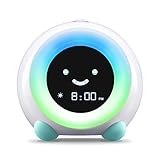
- ☆ PATENTED, BEAUTIFUL DESIGN – A runaway crowdfunding success, MELLA has been featured in publications such as Mashable and Yanko Design for its numerous features and modern design. Who says children’s products can’t be beautiful too?
- ☆ KEEP YOUR KID IN BED LONGER AND GET MORE SLEEP – MELLA uses colors and facial expressions to teach your kids when it’s time for bed and time to wake up. Half an hour before it’s time to wake up, MELLA will glow yellow, signaling it’s almost time to start the day. When MELLA turns green, it’s time to wake up!
- ☆ ALL-IN-ONE SLEEP GADGET GROWS WITH YOUR CHILD – MELLA also features three sleep sound options and five night light colors to soothe your child to sleep. MELLA also features three alarm sounds and both an alarm and silent countdown for timed activities for older children.
- Create a quiet-time basket: Fill it with a few simple toys or books they only get during this time. The novelty keeps kids engaged and makes the routine feel special. Consider rotating new books in their quiet-time basket to peak their interest. Coloring books and crayons are another great option.
- Stay nearby at first: Some kids need reassurance during the early days of this transition. Staying close or checking in halfway through can help them feel safe and successful.
In a way, quiet time is like a skill, so give your child time to practice it. With consistency, it becomes a normal (and peaceful!) part of the daily routine.
Great Quiet Time Toys/Activities

- SCREEN-FREE PEACE – Offer parents a quiet, clean, screenless alternative for keeping kids occupied in public spaces like planes, cars, waiting rooms, or restaurants, ensuring a peaceful, calming experience on the go. No mess, travel-friendly, and silent, it comes with a convenient travel bag for effortless portability.
- PATENTED – Patent US 12,478,892. Thoughtfully designed and tested to provide a therapeutic, satisfying, and productive activity suitable for individuals across generations, from preschoolers to seniors.
- COGNITIVE DEVELOPMENT – Stimulate cognitive growth across all ages with the open-ended, hands-on approach. Its unique design encourages creative, imaginative problem-solving, making it an ideal STEM Toy inspired by Montessori principles. Beneficial for individuals with Autism, ADHD, ADD, and OCD.

- 21-page seek-and-find sticker pad with animal scenes to color and stickers to match to hidden objects
- Detailed scenes include safari, coral reef, barn, farm, marsh, arctic, tide pool, dinosaurs, rainforest treetops, rainforest understory, ocean, forest, pond, desert
- Labeled and color-coded sticker pages are easy to match to scenes; an engaging way to encourage problem-solving, fine motor development, and creativity

- DISNEY PRINCESS REUSABLE ACTIVITY MATS: Search & Find offers 12 repeatable activities, inviting children to explore the enchanting world of Disney Princess characters such as Cinderella, Moana, Belle, and more!
- INCLUDES: 6 Double-sided activity mats, 2 Dry-erase markers, 1 Duster cloth, and 1 Achievement Certificate.
- EASY TO USE: Each mat showcases a colorful Disney Princess scene on either side. Children will use their observation skills to search the mats for objects and circle them with the included dry-erase markers.

- Explore Colors and Counting: The magnetic toddler game features 55 magnetic beads in 10 distinct colors, with “ice cream ” representing numbers 1-10. Great for improving fine motor skills and learning colors and numbers.
- Magnetic Counting and Matching: Using the magnetic pen to move the beads from the track to the ice cream, children can practice color matching and counting skills while developing patience and focus. which is a great toy for 2-4 year old girls and boys,the toddler will spend hours playing on them
- Montessori Toys: The montessori magnetic maze board is a fun way for children to learn while playing, practicing counting, color recognition, hand-eye coordination, and fine motor skills. Keeps kids engaged for hours.The precision required to move the tiles through the maze helps develop dexterity and control, setting the foundation for more advanced motor skills later in life. Great preschool learning toys for 2 3 4 5 year old girls and boys.

- Contains 36 wooden shape pieces, 60 pattern cards and 2 iron tins for storing the pieces
- kids can try to build what is shown on the cards or create their own designs
- Great for developing spatial awareness, color & shape recognition, hand-eye coordination, and problem-solving skills
- Made of natural wood, the blocks are smooth and no sharp edges, meets CPSC safety requirements
- Suitable for kids aged 3 years and older

- Free Child’s Imagination: Tekfun LCD writing tablet for kids provides 10 inches of space for kid’s writing and drawing, free children’s imagination. The eye-protection colorful screen of doodle board provides a better painting experience, avoiding injury to a child’s eyes from long-term use
- No Mess at Home: The built-in battery of this writing doodle board has a 6-month lifespan, provides 100,000 times writing and drawing on the writing tablet, can be replaced and used continuously, and farewell to the traditional painting mode. Avoid paper wasting and no mess at home
- Easy to Use: The drawing tablet uses pressure-sensitive technology, it can create lines with a stylus or any hard object. Click the erase button of the drawing board to clear the screen content in one second, achieve time and energy saving. The key lock effectively prevents accidental clearing, and the screen can be erased when the writing pad unlocking

- Ross, Bryce (Author)
- English (Publication Language)
- 312 Pages – 09/18/2022 (Publication Date) – Independently published (Publisher)
- 26pcs ABC Water Coloring Cards – Both sides of the doodle recognition cards have rich learning content. The cute and vivid images with imaginative words will inspire kids’ learning interest.
- Safe & No Mess – This item suitable for 3 years old and up. It is safe for kids to use because you do not need any ink and just need to fill some clear water into the incidental pen.
- Reuseable Item – Drawing will magically disappear as it dries, you can reuse this water drawing cards as much as you like.
- Perfect for Travel – The holding ring keeps all of cognitive cards together and easy to carry it about. It not only can be used in room, but also a perfect toy for trips.

- Creative Spherical Design: Upgraded from sensory activity board, this sensory ball transforms 2D play into all-around sensory exploration. Kids enhance dexterity, fine motor skills, and hand-eye coordination through engaging tactile actions like pushing, peeling, looping, and bridging. Encourages creative, imaginative problem-solving
- Safe & Travel-Friendly: Crafted with CPC certified premium non-toxic silicone and plastic. Comes with a storage bag for effortless portability. Suitable for kids playing in public places such as planes, cars, hospitals, restaurants, etc. Offer parents a quiet, clean, screen-free solution, ensuring a peaceful and calming travel experience
- Cognitive Development: Specially designed for kids with Autism, ADHD, ADD and special needs, this stress ball helps promote emotional regulation through sequenced tactile challenges. Its innovative gameplay encourages children calm down and keep them focused for long periods of time
Setting Up a Calm Quiet-Time Space When Transitioning From Nap To Quiet Time
Soft blankets, a comfy toddler pillow, or a simple floor cushion can make quiet time feel inviting.
RELATED POST: Calm Down Corner Ideas: Create Their Calm
Check out these cozy quiet time essentials:

- 3 in 1 Bean Bag Bed: MAXYOYO 3 in 1 bean bag chair is more versatile than regular bean bag chairs. You can use it as a bean bag floor cushion, as a bean bag chair, and as a bean bag lounger or bean bag sofa. Bring diverse imaginative leisure possibilities to children
- High-density Shredded Foam: The kids’ bean bag bed is filled with high-resilience foam, which has excellent elasticity. It not only offers comfort but also provides support. After use, just give it a gentle shake, and it will return to its original shape
- Faux Fur Fabric: This kids bean bag chair is made of skin-friendly faux fur fabric, which is fluffy and soft, providing cloud like comfort. It can be sat or reclined, providing excellent play experience for children
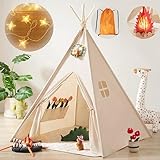
- 1. Wonderful & Cute Accessories: This teepee tent includes a window and two inner pockets; comes with 13ft star lights and a cardboard campfire toy; package includes everything needed for assembly, including 16 pine poles with 12 connectors and a carry bag; perfect gift for imaginative children
- 2. Durable and Washable Material: Made of quality and durable fabric (60% polyester, 40% cotton); this teepee is machine washable and designed to resist shrinking; thick and sturdy canvas ensures long-lasting use; upgraded solid pine poles provide stability and durability
- 3. Stable, Portable & Foldable: Easy to assemble with included instruction paper; stable when properly assembled; foldable and portable for convenient storage or outdoor use; ideal for photography, travel, or picnics

- MULTI-FUNCTIONAL DESIGN: This Reading Nook is designed to celebrate a love of reading | It features a bookrack at the back, two spacious cubbies under the seat and a comfy padded bench | Bench cushion stays secure with self-adhesive strips
- GREENGUARD GOLD CERTIFIED: This bench meets stringent chemical emissions standards to create a healthier home for your child. Tested for more than 10,000 chemicals and VOCs, this bench is certified to contribute to cleaner indoor air
- READY FOR STORY TIME: Imaginations will soar in this cozy Reading Nook, its low height ensures little ones can easily select their favorite books and get on and off the bench themselves | Use in nurseries, kid’s rooms or shared spaces
- Ensure the space is safe: If your child will be in their room alone, double-check that furniture is anchored, cords are secured, and small choking hazards are out of reach. It’s be a good idea to put a camera in the room so you can check in on your child to ensure they are safe and behaving. This Indoor Ring Camera is a great option because it’s inexpensive, but good quality. When you no longer need it in your child’s room, it can be used elsewhere.
- Add soft lighting: A small reading lamp or nightlight can help your child stay calm and settled, especially if they prefer dimmer spaces. (My child likes using this star display light during quiet time.)
When the space feels welcoming rather than restrictive, quiet time becomes something kids actually look forward to.
What to Include in a Quiet Time Basket When Transitioning From Nap To Quiet Time
A quiet-time basket is a game-changer during this transition out of nap time. It gives your child something special to look forward to and keeps them entertained independently. Considering alternating the contents of the basket to keep it fresh and exciting.
Here are great, low-key options to include:
- Simple puzzles
These simple 3D wooden puzzles are great for kids ages 3-5. - Board books or look-and-find books
This fun Search and Find Book is perfect for ages 3-6. With 340 items to find, this book will keep your child occupied for many quiet times! - Water Wow or reusable activity pads
These are mess-free, fun, and perfect for quiet entertainment. (Grab a set here on Amazon) - Magnet tiles or magnetic puzzles
These magnet tiles are a fantastic tool for keeping kids entertained during quiet time. It’s a great way for them to focus and exercise their little minds and imaginations. - Felt play sets
Soft, quiet, and great for imaginative play. - Coloring books and crayons
Opt for triangular crayons if your toddler likes to roll things across the room! - Story-based audio
Tonies box are absolutely perfect for quiet listening time. Parents and kids love the Tonies Box and it’s for good reason!

- MADE FOR INDEPENDENT PLAY: Designed with kid-friendly, intuitive controls, Toniebox 2 lets listeners explore stories, songs and games from all their favorite characters all on their own, boosting their confidence and independence.
- GROWS WITH YOUR KIDS: Designed for ages 1–9+, Toniebox 2 is built to last with hundreds of Tonies and Tonieplay games to choose from.
- SMART BEDTIME AND WAKE-UP FEATURES: The Sleep Timer with Light and Sunrise Alarm help lay foundations for great sleep routines, making for better bedtimes, longer sleeps and easy mornings.
- A NEW WAY TO PLAY: With Tonieplay the kids are in charge of our new interactive games, adventures, challenges and quizzes. Perfect for solo or team play.
- PEACE OF MIND FOR PARENTS: Parents can rest easy knowing that with no screens or ads, their kids can safely and independently play, while keeping an eye on things with the tonies app.
Sample Quiet Time Routine
Toddlers thrive with routine, and shifting from naps to quiet time is no exception. A predictable flow helps them understand what’s coming next which helps to reduce resistance.
Here’s a simple example of what your quiet-time routine might look like:
- Potty + quick snack
This helps prevent “I’m hungry!” or “I have to go potty!” moments two minutes in. - Set expectations
Remind your child that This is their quiet time. Explain to them that they can rest, read, or play quietly until the timer beeps, or until their Ok-To-Wake Clock signals that it’s time. - Choose 2–3 quiet-time activities
Let your child grab a few things from their basket. Giving them choice helps them feel confident and in control. - Start the timer
Use a visual timer or OK-to-wake clock so they see how long they’ll be playing independently. - Independent play
This is their peaceful time and your mini break! - Gentle wrap-up
When the timer goes off, check in, praise their independence, and help tidy up together.
Establishing this routine for even a week or two can make the transition so much smoother. You may be surprised just how quickly this becomes part of your child’s daily rhythm!
Tips for Teaching Toddlers to Stay in Their Room
One of the biggest challenges during this transition is helping your child actually stay in their room for the entire quiet-time period. This takes practice, patience, and consistency but it’s truly possible.
- Start with short stretches: If your child pops out immediately, begin with just 5–10 minutes and gradually work your way up from there. Little successes will build confidence in your kid.
- Keep the door open if needed: Some kids feel trapped with a closed door. Using a baby gate keeps them in the space while still letting them see out.
- Practice during a calm moment: Walk through what quiet time looks like when your child isn’t already tired or frustrated. Children do so much better when they’re prepared in advance and know what to expect.
- Use simple language: Say something like “You stay in your room until your Clock lights up green. Then, I will come get you.” Clear and predictable works best for toddlers.
- Offer choices to give a sense of control: Give them some choices like what they want to put in their quiet time basket today, or if they want the lights on or off. Even tiny choices like this often help reduce the power struggles.
- Celebrate small wins: If they stayed in quiet time for even 3 minutes longer than last time, that is still a win! Celebrate it and let them know they did a great job.
Transitioning From Nap to Quiet Time With Multiple Kids
If you have more than one child, the transition looks a little different but it’s still definitely manageable. The key is to keep everyone on a predictable rhythm while respecting their individual needs.
- If one child still naps, then try separating the spaces. Have the younger child nap in their usual spot and set the older one up for quiet time in another room. This way the younger child’s nap isn’t disturbed while your older child is still working on transitioning from nap to quiet time.
- Try using staggered routines if it helps your situation. If your younger child naps later or earlier, keep quiet time flexible for the older child. It doesn’t have to be at the exact same time every day.
- If siblings share a room and both are transitioning to quiet time, try rotating the spaces. Have one in the bedroom and one in a play area or cozy reading corner. Quiet time works best when kids feel like they have their own zone. There will be plenty of time in the day for them to play with each other. The point of quiet time is to be independent and have time to yourselves.
- Encourage independent activities for each child. Giving each child a personalized quiet-time basket helps prevent arguments about who gets which toy or book. Considering letting each child pick a few things to put in their quiet time basket. They can take turns picking an item. Rotate who gets to pick first every other day, so everyone feels like its fair.
- Remember to keep expectations simple and consistent. Kids always respond better when they know the rules are the same every day, no matter where quiet time happens. So whether they are having quiet time in their bedroom, or the playroom, the rules and expectations are the same.
Common Quiet Time Challenges & How To Overcome Them
Even with the best routine and intentions, quiet time doesn’t always go perfectly and that’s okay. Here’s how to handle the most common hiccups that parents face when transitioning from nap to quiet time:
- They keep leaving the room: Use a visual timer or an Ok-To-Wake clock so they know what to expect and start with shorter stretches. Consistency is your friend here. The Ok-To-Wake Clock tends to be extra helpful because it’s fun looking so the kids get excited about having something new for their room.
- They get bored immediately: Try rotating toys and activities on a weekly basis. Kids stay engaged when activities feel new, even if they’ve seen them before.
- They cry or get upset: Remember, it’s fine to go slow in the beginning. Start with 3–5 minutes and build up gradually. Stay nearby so they feel secure, and praise even tiny bits of independence.
- They make a huge mess: Limit how many toys are accessible during quiet time. A contained basket with specific quiet time activities helps keep the mess under control.
- They fall asleep unexpectedly: That’s okay! Some kids still genuinely need the occasional nap. Let it happen and adjust bedtime slightly if needed. If they’re at an age where you’re trying to get them used to not napping (because they are starting school soon), try putting more exciting activities in their quiet time basket. Or adjusting their bedtime to ensure they’re getting enough sleep at night. But if they occasionally fall asleep during quiet time, that is totally fine. Even adults need a little nap every now and then.
Quiet time won’t look perfect every day, but with consistency, it will become a calmer and more predictable part of your daily routine.
Encouragement for Moms Transitioning From Nap To Quiet Time
Before anything else, take a deep breath and remind yourself that transitions like this may take time. Some days will go smoothly, and other days might feel like a total flop and that doesn’t mean you’re doing anything wrong. You’re teaching your child a brand-new skill: how to rest, recharge, and play independently. That’s a big deal.
Quiet time is about more than just giving you a break (though you absolutely deserve one). Rather, it’s also about helping your child build patience, creativity, independence, and emotional regulation. Every minute they spend practicing those skills is a true win, even if it’s not “perfect”.
You’re doing a wonderful job. And the fact that you’re here, reading and learning, shows how much you care.
How Long Quiet Time Should Last (and When to Let It Go)
Most toddlers and preschoolers are fine with 30–60 minutes of quiet time each day. While some may only manage 20 minutes at first, and others may happily play independently for 90 minutes. Just follow your child’s lead and build gradually as you see fit.
As kids grow, quiet time may naturally change without you even trying. Here are some suggested timeframes by age.
- Ages 2–3: 10–30 minutes at first, building to 45–60 minutes.
- Ages 4–5: 45–90 minutes depending on temperament and daily schedule.
- Ages 6+: Quiet time may shift into independent reading, drawing, or resting before after-school activities.
There’s no official age to stop quiet time. Many families keep it through the early elementary years because it’s such a peaceful daily reset for both parents and children. If your child starts pushing back, try shortening it or offering new choices.
Transitioning From Nap To Quiet Time: Conclusion
Transitioning from naps to quiet time is one of those tricky toddler milestones that can feel overwhelming at first but with a little consistency it becomes a positive part of your child’s day. Quiet time gives kids the space to use their imagination, unwind, and build independence, while also giving you a moment to breathe, regroup, or tackle something on your every-growing to-do list.
Go slow if needed, keep your routine simple, and celebrate the small wins along the way. Before you know it quiet time will feel like a natural, peaceful part of your days.
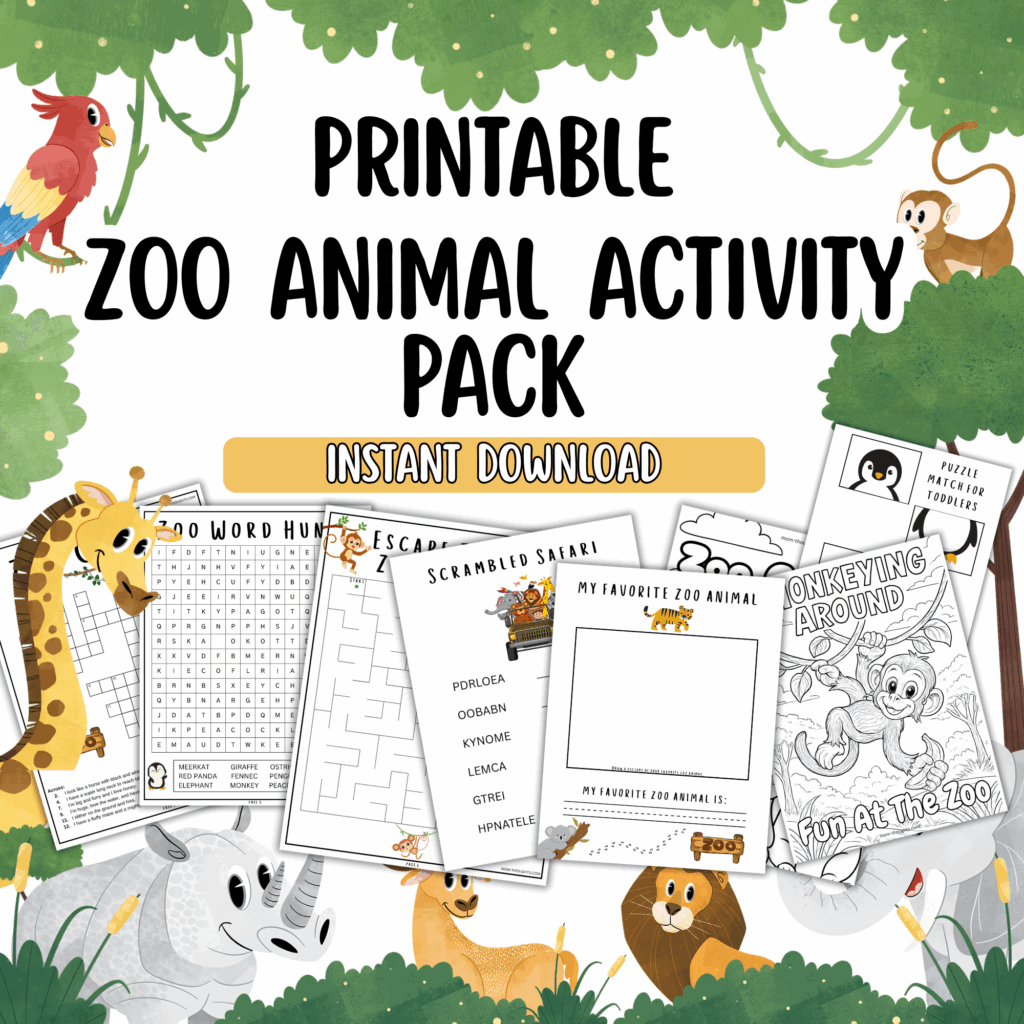
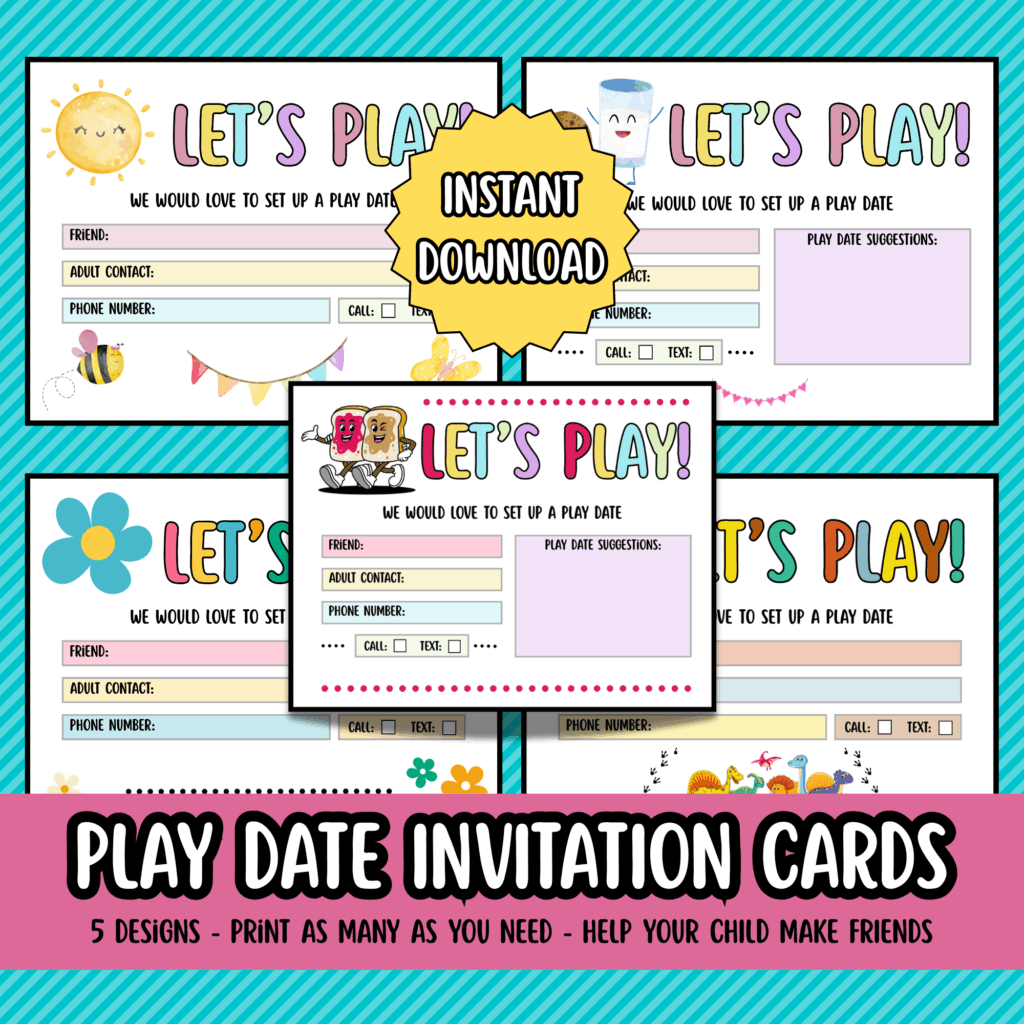
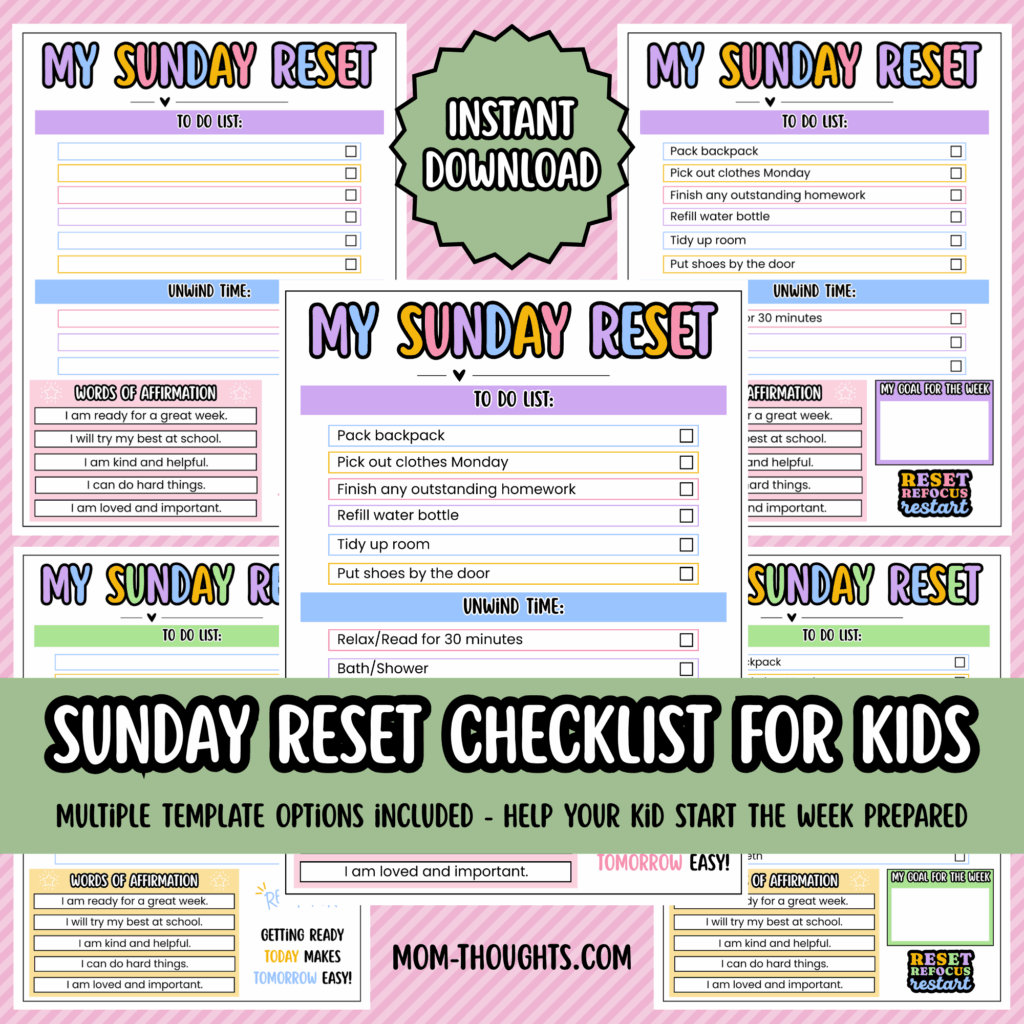
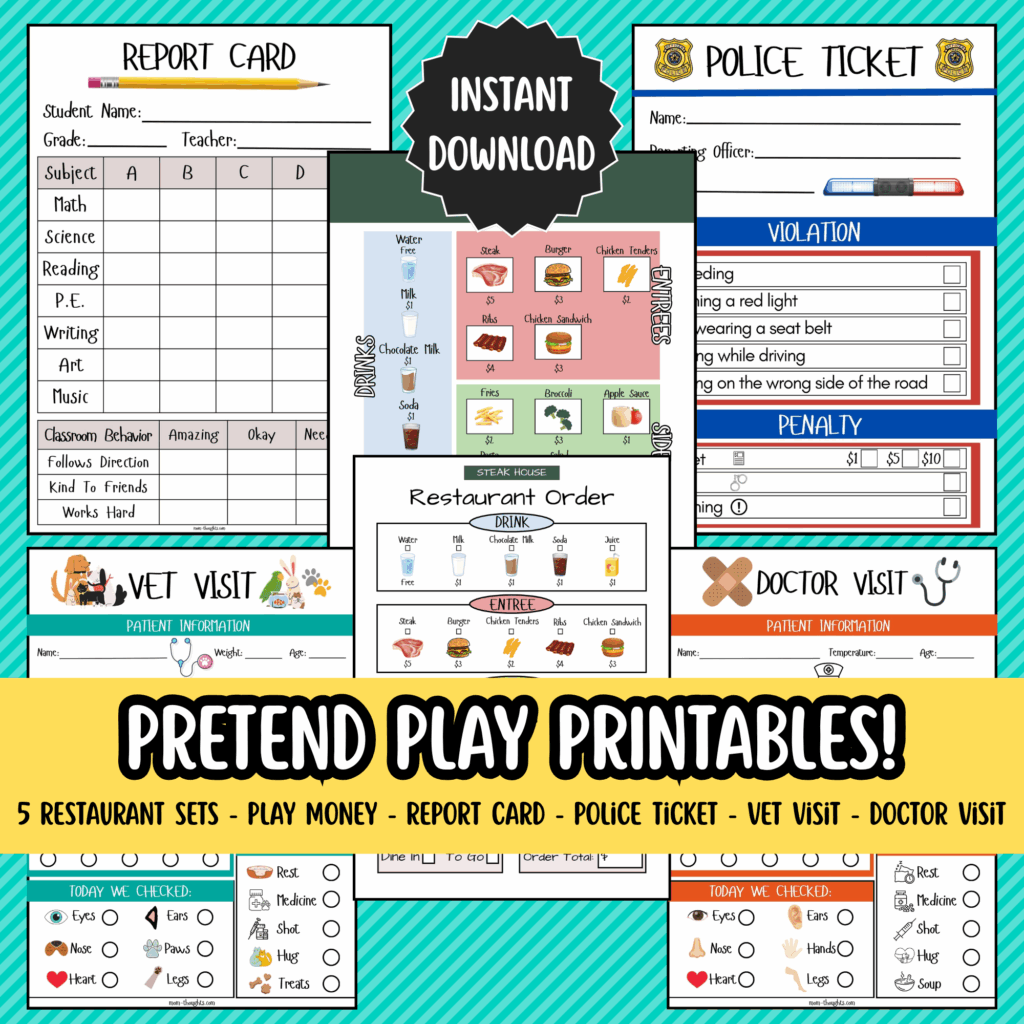
PRINTABLE ACTIVITIES TO HELP WITH QUIET TIME
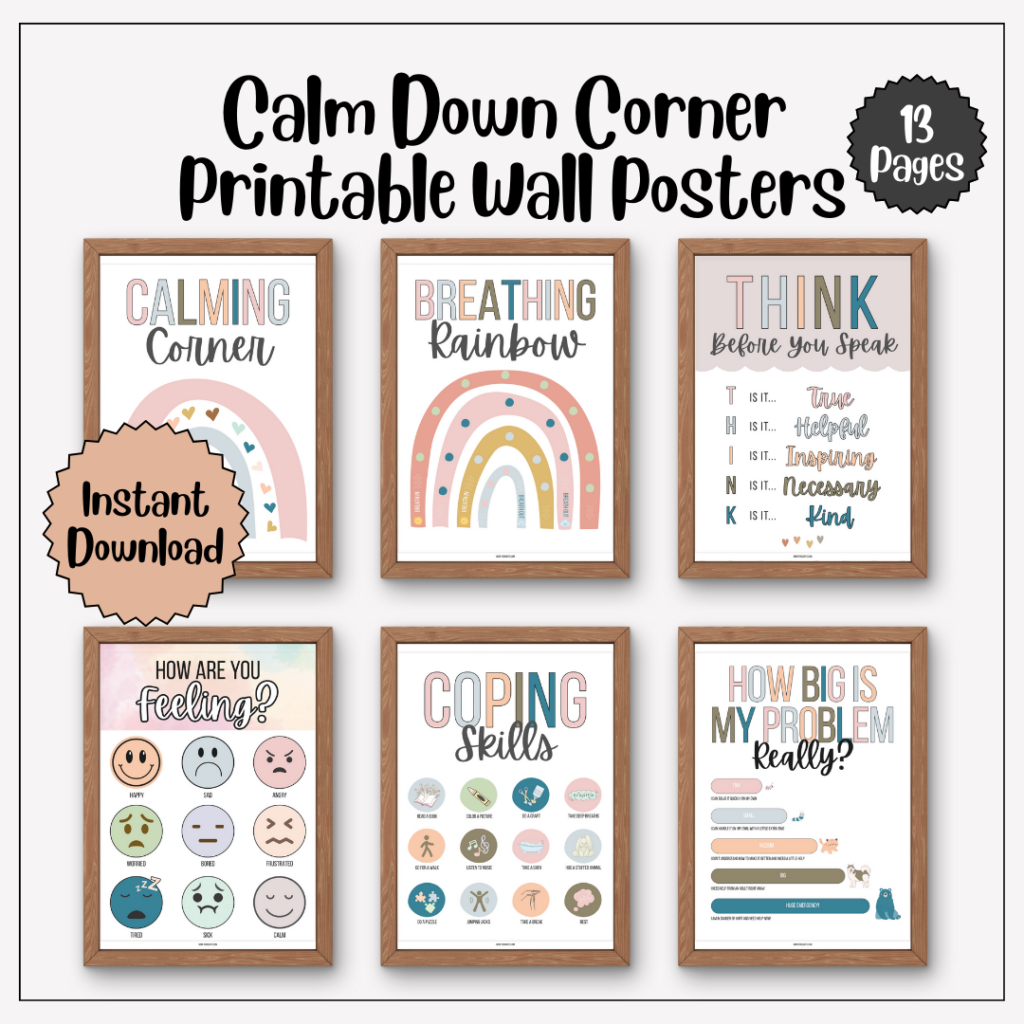

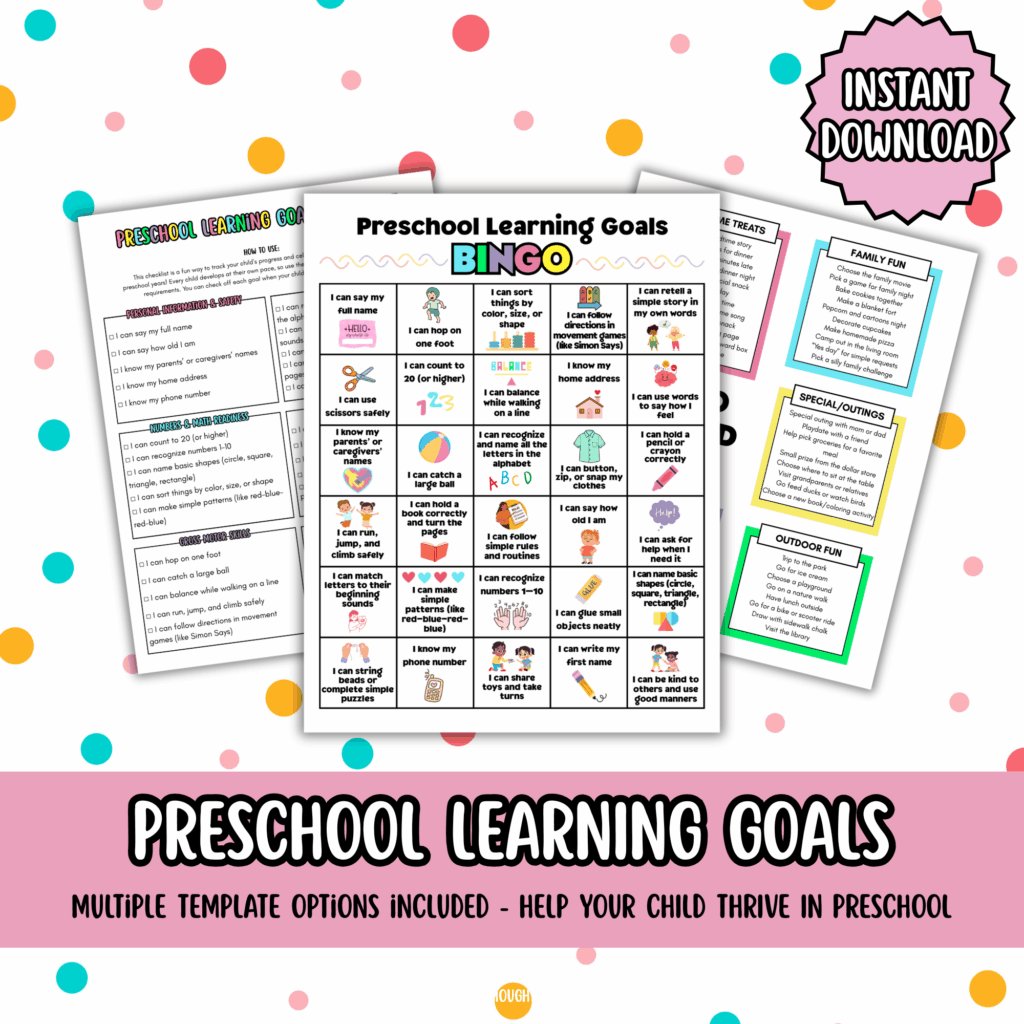
More Printables That Moms Love


RECENT POSTS

40 Screen Free Activities for Kids That Actually Keep Them Busy
This post is all about screen free activities for kids. SCREEN FREE ACTIVITIES FOR KIDS…

Spring Bucket List Ideas for Kids + Printable Template
This post is all about Spring bucket list ideas for kids. Super Fun Spring Bucket…

45 Fun Easter Basket Ideas For Boys (6-8)
This post is all about Easter basket ideas for boys. Super Fun Easter Basket Ideas…

Fun Springtime Outdoor Activities for Kids To Get Them Outside
This post is all about Springtime outdoor activities for kids. Springtime Activities For Kids –…

10 best Easter Books For Kids That Make Reading Fun
This post is all about the best Easter books for kids. The Absolutely Best Easter…

50 Silly Easter Jokes for Kids That Will Make Them Giggle
This post is all about Easter jokes for kids. Grab The FREE One-Page PDF Printable…

40+ Easter Basket Ideas for Girls Ages 6–8: Easter Basket Fillers
This post is all about Easter basket ideas for girls. Non-Candy Easter Basket Ideas for…
Home Reset Checklist: Reset Your Home in 1 Hour Each Week
This post is all about home reset checklist. The 1 Hour Home Reset Routine For…

5 Best Budget Planners For Single Moms: Take Control
This post is all about the best budget planners for single moms. The Best Budget…

Evening Routine For Moms: 10 Things You Should Do Before Bed
This post is all about evening routine for moms. 10 Things Moms Should Do Before…

25+ Fun Easter Activities for Kids to Do at Home
This post is all about Easter activities for kids. Fun Easter Activities for Kids (Preschool…

Age Appropriate Chores for Kids: What Kids Ages 3–8 Can Do
This post is all about age appropriate chores for kids. Teaching kids how to help…