This post is all about how to teach kids to stop interrupting.

How To Teach Kids To Stop Interrupting
You’re finally having a real grown-up conversation or trying to take a quick phone call, and suddenly, “Mom! Mom! Mom!” It’s not that your child is intentionally being rude. They just can’t help themselves. When they have something to say, it feels urgent and important, even if it’s about a snack or a funny thing the dog just did. To them, it’s really important, and totally worthy of of interruption.
Interrupting is one of those habits that can test a parent’s patience, but it’s also completely normal for young children. Kids don’t come preloaded with social skills. Instead, they have to be taught how to wait, take turns, and recognize when it’s the right time to speak.
In this post, we’ll break down how to teach kids to stop interrupting in a way that’s kind, age-appropriate, and actually works. You’ll learn why interrupting happens, how to help your child practice waiting, and a few simple strategies to make your home a little more peaceful during those moments when everyone wants your attention at once.
Why Kids Interrupt (and Why It’s Normal)
Before you can fix a behavior, it helps to understand where it’s coming from. Young kids interrupt for all sorts of reasons. And really, most of their reasons aren’t actually about being disrespectful.
They might interrupt because they’re excited, worried they’ll forget what they want to say, or simply because they haven’t learned how to wait their turn yet. Toddlers and preschoolers especially live in the moment. When something pops into their head, they want to share it right now.
Interrupting is also a sign that your child feels comfortable and connected to you because they know you’ll listen. And that’s a good thing! The goal isn’t to make them stop talking; it’s to help them learn when to talk and how to wait without feeling ignored.
Teach What “Waiting Your Turn” Looks Like
Most kids don’t automatically know what “waiting your turn” actually means. You can tell them to wait all day long, but unless you show them what it looks like, it’s just words. They always think it’s “their turn”.
Try using real-life examples to model waiting. When you’re standing in line at the store, point out how everyone is taking turns. Or during playtime, practice passing toys back and forth to show how we share time and attention.
Role-playing can be especially helpful with little kids. For example, pretend to have a conversation with a stuffed animal and show how it feels to wait until the other person is done speaking. Then switch roles and let your child practice.
You can also create a simple “quiet signal” for your family. For example, if you’re in the middle of talking, your child can place their hand gently on your arm or raise one finger in the air to show they have something to say. When you finish your sentence, you acknowledge them and give them your attention. It’s a respectful system that helps kids feel seen and teaches patience at the same time.
How To Teach Kids To Stop Interrupting With a Signal or Routine
Once you’ve introduced the idea of waiting, it’s time to put it into practice with a consistent routine your child can rely on. A predictable signal gives kids structure and helps them feel confident that they will get a turn to talk.
You might decide on a special cue like your child placing a hand on your arm or saying “Excuse me, Mom.” When you notice their signal, acknowledge it with a nod, a gentle touch, or even a quick “I see you.” Then finish your sentence before turning your attention to them.
The key is to practice this routine during calm moments rather than when you’re already in the middle of a busy conversation or phone call. Role-play a few examples together, maybe even make a little game of it. Pretend you’re chatting with someone while your child practices using their signal, then reward their patience when it’s their turn to talk.
Praise and Reinforce Waiting
Kids thrive on positive feedback, and learning not to interrupt is no exception. Whenever your child waits quietly or uses their signal correctly, call it out and celebrate it! You might say something like, “I love how you waited until I was done talking. That was so grown-up of you!”
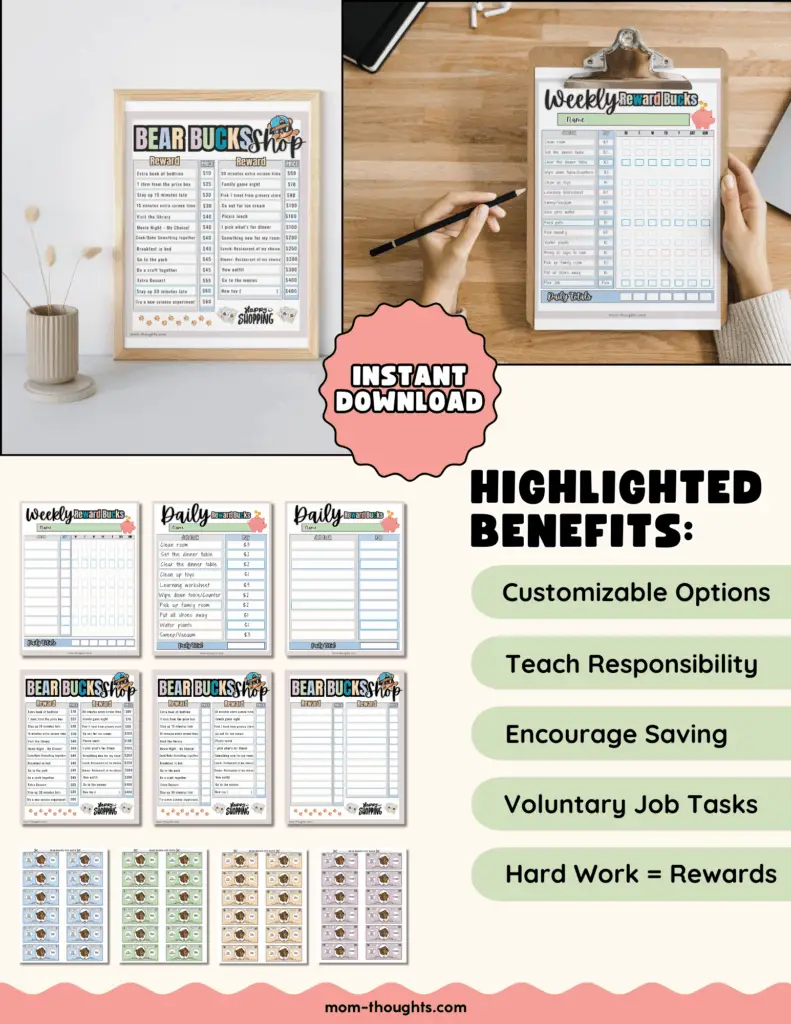
You can also use small rewards to make the lesson stick. This is especially helpful with toddlers and preschoolers. A sticker chart, marble jar, or tokens toward a fun activity are simple ways to reinforce patient behavior.
The trick is to make your praise immediate and specific. Instead of a vague “Good job,” tell them exactly what they did right. The clearer your feedback, the faster they’ll connect the dots between waiting and positive attention.
Over time, your child will start to realize that waiting politely actually gets them what they want faster which is a powerful motivator!
Set Realistic Expectations
Teaching kids not to interrupt doesn’t happen overnight. And the truth is, what “waiting patiently” looks like depends a lot on their age. Toddlers might only manage a few seconds before blurting something out, while preschoolers can usually wait a minute or two with a little guidance.
Start small and gradually build up their patience. For example, you might say, “I’m going to finish talking to Dad for one minute, and then I’ll listen to you.” Use a timer or count together to make it fun and predictable. Over time, extend that waiting period by just a few seconds at a time.
It’s also helpful to notice the difference between important interruptions (“I need to use the bathroom!”) and everyday interruptions (“I saw a bird!”). Talk about this distinction together so your child understands there are times when it’s okay to speak up right away.
The goal isn’t perfection, it’s progress. Even short moments of waiting are small wins worth celebrating. And realistically, even adults aren’t perfect about not interrupting. So have grace with your children in those moments as well.
Create Environments That Help Them Succeed
Sometimes, the best way to prevent interruptions is to set your child up for success before you even start a conversation. If you know you’ll be on the phone or chatting with another adult, give your child something engaging to do first. Also, let them know that you’re going to be on the phone for the next several minutes, and remind them not to interrupt unless it’s an emergency.
Quiet activities like coloring, building blocks, or simple puzzles can keep their hands and minds busy while you’re occupied. If you have a younger child, keep a special “busy box” of toys or activities that only comes out during these moments, it’ll make waiting time feel like a treat instead of a punishment.
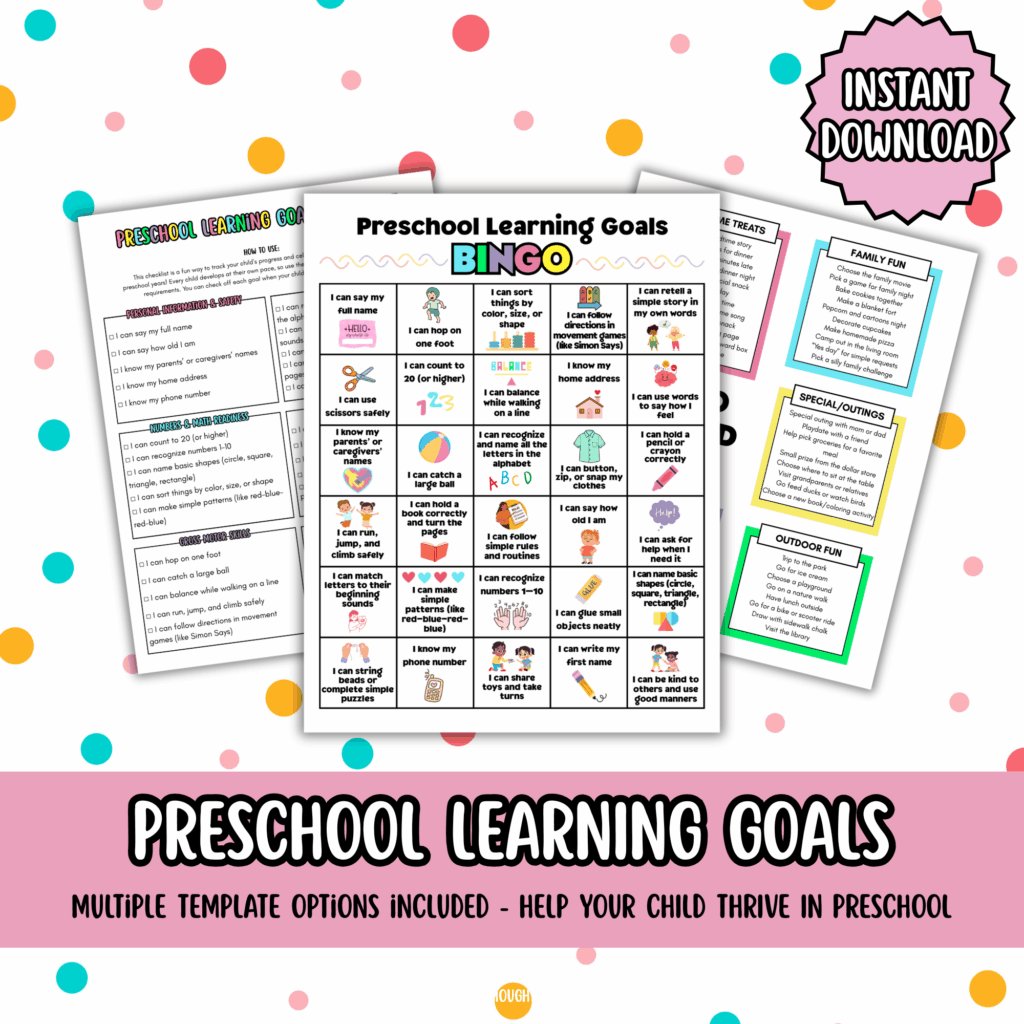
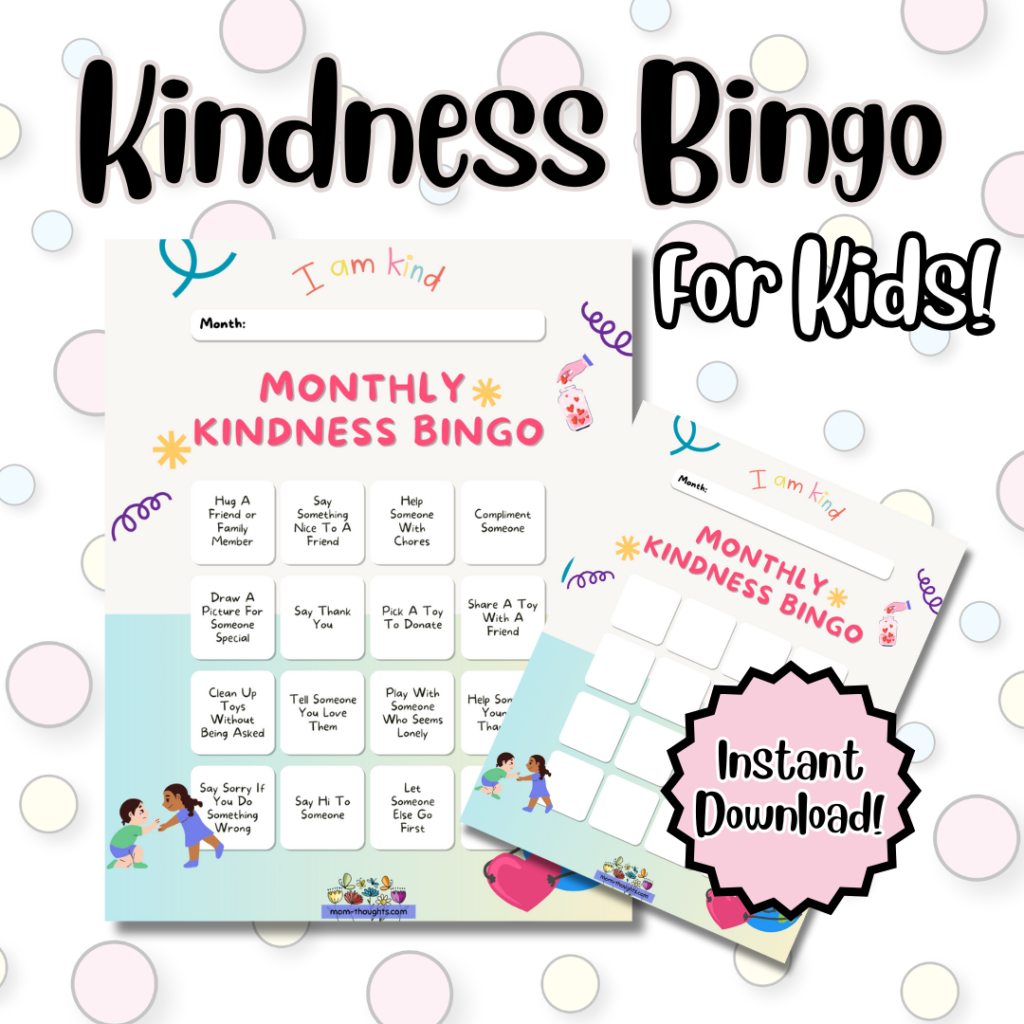
Our Mom-Thoughts Etsy Shop has tons of simple and fun printable activities for little kids.
You can also offer connection before and after the time you need quiet. For instance, tell your child, “I’m going to talk to Grandma for a few minutes, but when I’m done, I can’t wait to hear what you wanted to tell me.” This reassurance helps them feel seen and secure, which makes it easier to wait their turn.
How to Teach Kids to Stop Interrupting by Modeling Good Listening
Kids learn so much more from what we do than from what we say. If you want your child to stop interrupting, one of the best things you can do is model good listening yourself.
When your child talks to you, try to give them your full attention. Be mindful of things like making eye contact, nodding, and let them finish before you respond. If you have to pause the conversation, say, “I really want to hear what you’re saying. Let me finish this thought, and then it’s your turn.” That shows them what respectful communication looks like in action.
You can also point out examples of good listening in stories or shows you watch together. It helps your child see that waiting, taking turns, and paying attention are part of how people connect and show care for one another.
When they feel that you truly listen to them, they’ll be more likely to extend the same courtesy when you’re the one talking. Remember, you don’t want kids to feel like they need to “fight” to get a word in. Their thoughts are important too, and it’s helpful for them to know that you value what they have to say.
Stay Consistent and Patient: How to Teach Kids to Stop Interrupting Over Time
Like any new skill, learning to wait and not interrupt takes lots of repetition and gentle reminders. It’s easy to slip back into old habits, especially when emotions run high or your child is excited about something.
The key is consistency. Keep using the same signal, the same language, and the same calm tone each time. Over time, your child will know exactly what’s expected and they’ll start doing it more naturally.
When setbacks happen (and they will), take a breath before reacting. A quick reminder like, “Remember our waiting signal?” goes a long way. Try not to shame or scold them; instead, focus on guiding them back to the behavior you want to see.
Patience really pays off here. Each time your child successfully waits, even for a short moment, you’re helping them build self-control. And this is a skill that will serve them well beyond this phase of life.
How To Teach Kids To Stop Interrupting: Conclusion
Interrupting might be one of those habits that feels endless while your kids are little, but it truly can get better with time and practice. By modeling patience, using clear signals, and offering plenty of praise, you’re teaching your child something much bigger than just good manners. In fact, you’re teaching them empathy, respect, and how to communicate thoughtfully.
Start small, be consistent, and celebrate the little wins. Before long, you’ll notice your child quietly waiting with their hand on your arm, ready to share their next big story and you’ll know all those teaching moments paid off.
PRINTABLES EVERY MOM LOVES
(click the image to get the printable!)